Skip Hire in Bethnal Green

Skip hire in Bethnal Green gives households, trades and small businesses a practical way to deal with bulky waste without turning the day into a series of extra trips. Our service is centred on straightforward container delivery and collection for mixed general waste, renovation debris and other common non-hazardous materials, with options that suit different access needs and project sizes. If you want a clear, organised route for disposal, we can help you choose a suitable skip and plan the collection around the work.
The main decision is usually skip size. A compact skip can suit lighter clear-outs, while a larger container is better when waste builds up steadily during a refurb or property tidy-up. The right choice depends on the kind of material, how much space is available on site and how long the waste will accumulate. We keep the process simple by focusing on a practical fit between the job and the container rather than overcomplicating the order.
For a quotation, the most useful starting point is the type of waste you have and where the skip needs to sit. If you are comparing options, our pages on skip sizes and prices and pricing and quotes give a clearer picture of the main choices before you decide how to proceed.
Choosing the right skip for your waste
A good skip hire arrangement begins with matching the container to the job. Loose domestic clear-out waste behaves differently from dense rubble, timber offcuts or packaging from a trade project. A sensible order should reflect both volume and weight so that the load stays manageable. Our service covers common domestic and commercial waste streams, and the size decision is made to suit the actual material rather than an assumed average.
When the contents are mostly from one type of activity, the task becomes easier to plan. A garden project, for example, may produce more soil and green waste, while a refurbishment can create plasterboard, broken fittings and general debris. Where a load is mixed, it is often better to think in layers: bulky items first, then smaller waste that settles into the gaps. That approach helps the container work efficiently without wasting space.
Typical factors that affect the choice include:
- the overall volume of waste
- the mix of light and heavy materials
- how quickly the waste will be produced
- the room available for delivery and collection
- any access limitations around the property
Household clearances and domestic projects

Domestic skip hire is often used for room clear-outs, decorating waste and general household improvement work. It gives you one place to put old fixtures, packaging, broken fittings and other items that are awkward to move in smaller bags. For homeowners and landlords, the value is in keeping waste contained while the job moves forward. That can be especially useful when several rooms are being tackled in stages rather than all at once.
For a home project, the sort of waste matters as much as the amount. A loft clear-out can include cardboard, soft furnishings and stored odds and ends, while a kitchen update may generate cabinets, worktop sections and wrapping materials. If the waste includes old appliances, mattresses or large pieces of furniture, it is sensible to check the correct disposal route before loading them. We can also discuss related services such as house clearance when a skip is not the best fit for the job.
If you are trying to keep disruption low, it helps to sort items as you go and place reusable or recyclable materials aside where possible. That makes the load easier to organise and can make the waste easier to understand when you request a quotation. For a quick starting point, use the phrase skip hire in Bethnal Green alongside the type of domestic work you need done.
Trade waste and building work
Trade customers usually need a container that keeps pace with the job rather than interrupting it. Builders’ waste, demolition debris and construction materials are often produced in uneven bursts, especially when walls, floors or fittings are removed in stages. Our service is set up for those practical patterns, helping you keep the site tidy without overloading bags or making repeated runs to a tip. The container can be a useful part of a structured waste plan on active sites.
Waste from building work can include brick, plaster, timber, packaging and general mixed debris. The right arrangement depends on what the project creates and how the material is handled on site. Some customers need a standard container for mixed loads, while others prefer a more specific approach for heavier or more awkward material. If the job is focused on site activity, related pages such as builders waste removal and construction waste disposal may help you compare the available service routes.
For a better quotation, describe the stage of work, the main waste types and whether loading will be steady or concentrated over a short period. That gives a clearer basis for the container size and the collection plan. Where access is limited, it may also be worth considering whether a standard skip, a smaller container or a different removal method is the most practical choice.
Access, placement and practical loading
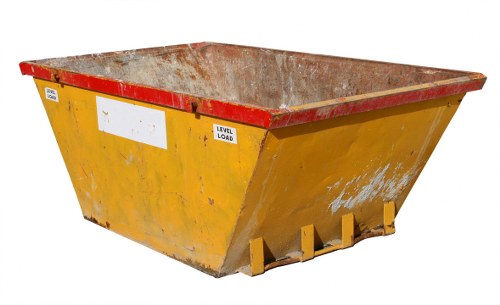
Access plays a large part in how smoothly a skip hire job runs. A container needs a suitable position for delivery, safe loading and later collection, and not every property offers the same amount of space. Streets, driveways, forecourts and private yards each create different practical conditions. Planning the placement before the skip arrives can save time and avoid awkward rearrangements once the waste starts to build up.
Loading is also easier when the waste is stacked with some thought. Heavier items should be broken down where safe and possible, while lighter material can be used to fill smaller spaces around them. This keeps the container efficient and can reduce the need for an oversized skip. If the work takes place in a tight area, options such as wait and load skip hire or grab hire services may be worth comparing, depending on what the site can accommodate.
Before you request a quote, it is useful to know whether the skip will sit on private land or whether a public location needs to be considered. You do not need a long list of notes, but a clear description of the site can make the process more accurate. A little preparation at the start often leads to a neater, more efficient waste collection later on.
Garden, garage and outside space clearances
Outdoor projects create a very different kind of waste from internal works. Soil, hedge cuttings, broken fencing, old shed parts and general garden debris can add up quickly, especially after a substantial tidy-up. Skip hire can keep that material together in one place, which is often easier than making repeated disposal runs with smaller loads. The service is useful for both seasonal maintenance and larger outdoor improvement work.
When dealing with green or mixed outdoor waste, it helps to separate what is genuinely organic from what is being removed as part of the wider job. Old plant pots, timber offcuts, metal fixtures and decorative items may need different handling from cuttings or turf. For locations where the waste extends beyond the garden itself, a combined approach can be sensible. Pages such as garden waste removal and garage and loft clearance cover those related situations.
If you are clearing a garage, it is often the bulky awkward things that take the most time: broken shelving, boxed clutter, worn-out household goods and miscellaneous materials that have been stored for years. A skip gives you a single disposal point, and that can make the job feel more orderly from the first load to the final sweep-up.
Commercial premises and ongoing waste needs

Some customers need skip hire for ongoing business activity rather than one-off home improvements. Offices, workshops and commercial premises can all produce packaging, obsolete fixtures, paper waste and renovation debris when workspaces change or equipment is refreshed. The service can be arranged around those changing needs, giving businesses a direct way to manage waste without letting it interrupt operations. For premises with a regular clear-out pattern, planning the size and timing carefully is especially useful.
Where waste comes from an office move or fit-out, the contents may be lighter but more varied. Furniture, shelving, mixed recyclables and general non-confidential waste often appear together. If the site involves documents or records, the method should be chosen carefully. In some cases, a dedicated service such as office clearance or confidential shredding may be more appropriate for certain items than placing everything into one container.
For businesses, the most useful quotation details are the type of premises, the likely waste stream and whether the work is a one-off or recurring pattern. That information helps us suggest a practical option without adding unnecessary complexity. If the project includes equipment disposal as well as general waste, it may also be worth checking whether specialist removal is needed for specific items.
Waste types, exclusions and sensible preparation
Skip hire is most effective when the contents are within the accepted waste categories for the service. General household rubbish, renovation waste and mixed non-hazardous material are the usual focus, but not every item should be treated the same way. Hazardous substances, certain electrical goods and specialist items may need separate handling. A well-planned order takes those distinctions into account from the start rather than leaving them to be sorted at the end.
Some customers also need help deciding what can go where. That is why practical guidance is valuable before the skip is loaded. If you are unsure about specific items, the page on what can go in a skip is a sensible place to check the common rules, and related services such as hazardous waste disposal and fridge and appliance removal may be more suitable for restricted items.
The best preparation is usually simple: group similar waste together, keep access clear and avoid leaving out anything that needs special treatment. A clear description of the load is often enough for a quotation to be useful. That makes it easier to recommend the right container and helps avoid problems once the waste is ready for collection.
Collections, permits and service planning

Delivery and collection should work around the project, not the other way around. Some customers need a short-term arrangement for a quick clear-out, while others prefer a longer placement during ongoing work. The right schedule depends on how fast the waste will build up and how soon the site needs to be cleared again. If the skip is going on a public road or another shared space, permits may also need to be considered as part of the plan.
That is why it can be sensible to review related pages before placing an order. The service pages for skip permits and skip hire explain the main route into the service, while same day skip hire may be useful if timing is tight and availability matches the job. If you need a closer look at how the work is handled, our insurance and safety page sets out the standards we use to manage waste responsibly.
To request a quotation, send the waste type, the rough amount and the location where the container needs to go. If you are still deciding, use the service pages as a guide and then contact us with the details that matter most. Contact us for a quote when you are ready to arrange skip hire in Bethnal Green.
About Bethnal Green
Bethnal Green is a district in the London Borough of Tower Hamlets in East London, long associated with the broader history of the East End. It sits close to neighbouring areas such as Shoreditch, Whitechapel and Cambridge Heath, with transport and local life shaped by the Central line station and nearby Overground links. The area has a layered past that includes market trading, workshops, industry and waves of residential change, giving it a character that combines older urban fabric with newer development. Its streets reflect that history in the mix of terraces, post-war housing, civic buildings and surviving commercial plots. One of its best-known cultural landmarks is the V&A Museum of Childhood, now part of the Young V&A, which has helped define the district’s public identity for many years. Bethnal Green Gardens provides a green focal point near the centre of the area, while the Regent’s Canal corridor lies within easy reach and contributes to the wider East London landscape. The surrounding streets include reminders of nineteenth- and early twentieth-century growth, when dense housing and local industry shaped much of inner east London. Today the area remains a busy part of the city, with everyday shopping streets, schools, places of worship and community venues sitting alongside housing and workplaces. As with much of Tower Hamlets, the neighbourhood has seen continuing redevelopment and adaptation, yet it still retains traces of its earlier history through its street pattern and surviving buildings. That combination of change and continuity is a major part of Bethnal Green’s identity, making it a place that is both distinctly local and firmly connected to the wider capital.